What Permits and Regulations Are Required for Home Additions?
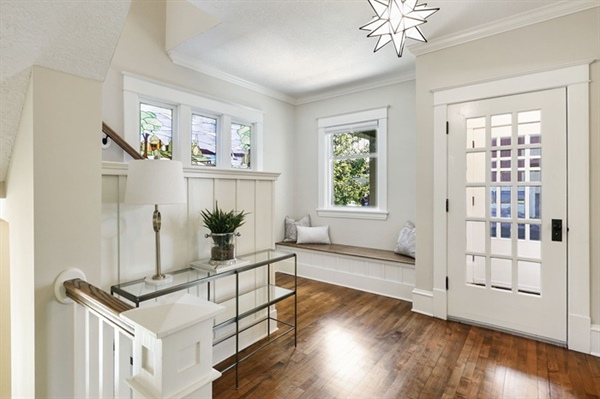
Home additions offer a way to expand living space, increase property value, and improve overall functionality, but they also come with detailed regulatory requirements. Before construction begins, homeowners must understand the permits, zoning laws, and inspections that guide every phase of an addition. These rules ensure that the new structure is safe, structurally sound, and compatible with the surrounding neighborhood. Waterstone Construction works through these steps regularly, helping Minneapolis homeowners navigate the complexities that come with any structural change.
This guide answers the most important questions about what permits and regulations are needed for residential additions. From zoning restrictions to inspection timelines, each section breaks down what homeowners should expect before beginning a major project.
How Do Local Zoning Laws Affect Addition Design?
Zoning laws determine what kind of structure can be built on a property and where it can be placed. Before designing an addition, homeowners must confirm that their project aligns with the zoning requirements assigned to their address. These rules can affect the size, shape, height, and placement of the new construction. Zoning maps outline limitations such as residential-only use, allowable structure height, or the maximum percentage of the lot that may be covered by impervious surfaces.
For many Minneapolis neighborhoods, zoning laws also address neighborhood-specific design elements such as distance from property lines, roof pitch, or exterior materials. Homeowners planning unique additions—such as accessory dwelling units (ADUs) or second-story expansions—may need special approvals or additional reviews. Some additions may require a variance if the design encroaches on restricted areas or exceeds allowable dimensions.
When working with a professional remodeler like Waterstone Construction, zoning requirements are reviewed early to prevent costly redesigns or delays. This helps ensure the addition meets city regulations while still achieving the homeowner’s functional goals.
What Inspections Are Needed Before and After Construction?
The inspection process is essential for ensuring that home additions meet building safety standards. Most cities require multiple inspections at different stages of construction. Before work begins, a site inspection verifies that the project layout matches the approved plans. After excavation, inspectors review footing and foundation work to ensure structural integrity and proper reinforcement. This step is especially important because structural issues can compromise the entire addition.
During construction, framing, electrical, plumbing, mechanical, and insulation inspections confirm that each system meets local codes. Each inspection must be completed and approved before moving forward to the next stage. Licensed electricians, plumbers, and HVAC professionals are typically required to complete the work for it to pass inspection. Once insulation is approved, contractors can close walls with drywall or sheathing.
The final inspection occurs at the end of the project. Inspectors evaluate everything from fire safety measures to proper installation of windows, railings, and egress points. Passing the final inspection certifies that the addition is safe, complete, and ready for use.
How Can Setbacks or Easements Limit Expansion Options?
Setbacks and easements are two of the most influential factors affecting where a home addition can be placed. Setbacks determine how close the structure can be to the property line. These rules help maintain neighborhood spacing, access, and safety. Front, rear, and side yard setbacks vary depending on the zoning district, lot size, and neighborhood regulations. If an addition violates a setback, it must be redesigned or the homeowner must apply for a variance.
Easements, on the other hand, are areas of the property reserved for utilities, drainage, or shared access. For example, many homes have utility easements for gas, electrical, water, or sewer lines. Building over these areas is generally prohibited; doing so could make the homeowner responsible for removing the structure if the utility provider needs access.
Homeowners must review the property’s plat survey to identify all easements and boundary lines before finalizing designs. Waterstone Construction uses these documents early in the planning process to ensure that the new addition is both compliant and suitable for the long-term function of the property.
What Documents Are Required for Permit Approval?
Apply for a building permit requires submitting detailed documents that show exactly how the new addition will be constructed. Most cities require scaled architectural drawings that include floor plans, elevations, roof layouts, and structural details. A site plan showing property boundaries, setbacks, and utility locations must also accompany the application.
Structural engineering documents are usually required for projects that involve adding new load-bearing walls, second-story additions, or changes to the existing foundation. These calculations demonstrate that the structure can safely support additional weight. Energy code documentation is often needed as well, including insulation values, window performance ratings, and mechanical efficiency requirements.
Some municipalities require stormwater management plans or soil reports, especially if the addition expands the footprint of the home. Submitting updated survey records or contractor licensing information may also be necessary. The key to speeding up the permit process is submitting complete, accurate, professionally prepared plans the first time.
How Long Does the Permitting Process Typically Take?
The permitting timeline varies widely depending on the project’s complexity, time of year, and city workload. Simple additions, such as bump-outs or small room expansions, may be approved within two to six weeks. Larger additions—especially second-story expansions or additions that alter the existing footprint—can take six to twelve weeks or more.
If the project requires a variance or special zoning review, the timeline increases significantly. Variance applications typically require public notice, planning commission hearings, and approval from city officials. This can extend the timeline by several months. Homeowners should plan for these scenarios when creating a project schedule to avoid construction delays.
The best approach is to begin the permitting process early and work with professionals who understand local building departments. This helps avoid unnecessary revisions and ensures smoother project coordination from design to construction.
Start Your Home Addition Project With Waterstone Construction
Planning a home addition involves more than architectural design—it requires understanding zoning laws, approving structural plans, scheduling inspections, and preparing documentation that meets city requirements. Waterstone Construction guides Minneapolis homeowners through each of these steps, ensuring the addition is designed, permitted, and built to code. Located at 4321 Colfax Ave S. Minneapolis, MN 55409, the team provides thoughtful planning and clear communication throughout the permitting and construction process.
If you’re ready to begin planning an addition or want expert guidance through the permitting process, you can contact us or request a free estimate. You can also call Waterstone Construction at 612-251-3975 to speak directly with the team about your project goals.