What Are the Benefits of Walk-In Showers vs. Bathtubs?
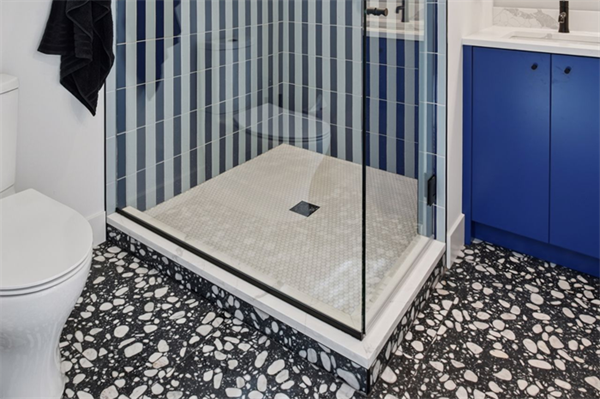
Walk-in showers and bathtubs both play important roles in bathroom design, but they do so in different ways. Some homeowners prioritize accessibility and a modern look, while others value the comfort and familiarity of a soaking tub. In many Minneapolis homes, bathrooms have limited square footage, so choosing between a walk-in shower and a tub becomes a key design decision. Waterstone Construction works with homeowners to balance style, function, and long-term value when rethinking these spaces during a bathroom remodel.
This guide explains how walk-in showers compare with bathtubs in terms of accessibility, space requirements, resale value, design options, and waterproofing materials. Understanding these trade-offs helps homeowners confidently select the right solution for their bathroom layout and lifestyle.
How Do Walk-In Showers Improve Accessibility and Style?
Walk-in showers provide a safer and more convenient entry compared to traditional bathtubs because they remove or lower the threshold that users must step over. For older adults, people with mobility challenges, or anyone planning to age in place, this single feature can make daily routines more comfortable and reduce the risk of slips and falls. A low-profile curb or curbless design allows easier access, and when paired with grab bars and non-slip tile, the shower becomes a highly functional zone for all ages.
From a design standpoint, walk-in showers support a clean, open look that works well in both contemporary and transitional bathrooms. Clear glass enclosures allow light to travel through the space, making smaller rooms feel larger. Large-format wall tile, linear drains, and minimal hardware contribute to a streamlined aesthetic. Homeowners can choose from a wide range of tile patterns, stone looks, or accent walls to give the shower a focal point without overpowering the rest of the bathroom.
Walk-in showers are also easy to customize for storage and comfort. Built-in niches keep toiletries off ledges and tub rims, while benches or corner seats add practicality for shaving, rinsing, or resting. These features can be integrated into the layout from the start of the design process, so the shower supports everyday use while maintaining a polished appearance.
What Are the Space Requirements for Each Option?
Space planning is one of the first steps in choosing between a walk-in shower and a bathtub. Standard alcove tubs are typically around 60 inches long and 30–32 inches wide, making them a good fit for narrow bathrooms or existing framed openings. However, they require a full-length wall on at least one side and can limit flexibility when reconfiguring the room.
Walk-in showers offer more flexibility in shape and size. A functional rectangular or square shower can be designed in a range of footprints, from compact 32x32-inch layouts to larger, spa-style enclosures. In some remodels, replacing a tub with a walk-in shower frees up space for a wider vanity or additional storage. Curbless showers often require recessing the floor or rebuilding the subfloor to create proper slope and drainage, which is an important structural consideration during planning.
In homes with enough space, many homeowners choose a layout that includes both a walk-in shower and a separate soaking tub, especially in primary bathrooms. In smaller homes or older Minneapolis properties where square footage is tight, a single well-designed walk-in shower can make the room feel more open and easier to move through than a standard tub-shower combination.
How Does Resale Value Differ Between Showers and Tubs?
Resale value depends on the target buyer and the number of bathrooms in the home. Families with young children often want at least one traditional bathtub in the house because it simplifies bathing kids. In these cases, removing every tub can reduce appeal for some buyers. Many real estate professionals recommend keeping one tub somewhere in the home, even if the primary bathroom is designed with a walk-in shower.
For buyers focused on comfort, aging in place, or modern design, a well-executed walk-in shower can be a strong selling point. Large, tiled showers with clear glass, quality fixtures, and good lighting often give a bathroom a higher-end feel. When combined with updated finishes and practical storage, they contribute to a sense of thoughtful design and can increase perceived value.
The best balance usually comes from matching bathroom features to the home’s overall size and likely buyer profile. In a smaller home with one full bath, a tub-shower combination may make the most sense. In a larger home with multiple bathrooms, a primary suite featuring a walk-in shower alongside another bathroom with a tub often supports both current use and future resale.
What Design Features Enhance a Walk-In Shower’s Appearance?
Design details turn a walk-in shower from a basic utility space into a highlight of the bathroom. Frameless glass panels are one of the most effective upgrades, as they keep sightlines open and let tile and fixtures take visual center stage. Clear glass also allows natural and artificial light to reach every corner of the shower, which helps the room feel larger.
Tile selection has a major impact on appearance. Large-format tiles with minimal grout lines create a calm, uninterrupted surface, while accent bands or a feature wall add visual interest. Homeowners can mix textures—such as combining smooth wall tiles with a textured mosaic floor—to define the shower while keeping the design cohesive. Built-in niches with contrasting tile frames or back panels provide both storage and a custom look.
Other design upgrades include linear drains that align with modern aesthetics, integrated benches that match the surrounding tile, and matte or brushed plumbing fixtures that complement the rest of the bathroom. When these elements are planned together, the walk-in shower becomes a focal feature that supports both aesthetics and practical use.
What Materials Are Best for Waterproofing Walk-In Showers?
Proper waterproofing sits behind the visible finishes and plays a critical role in the long-term performance of any walk-in shower. The base starts with a solid substrate such as cement board or foam-core tile backer that is designed for wet areas. Over this, a continuous waterproofing membrane—either sheet-based or liquid-applied—is used to seal seams, corners, and penetrations. This membrane should extend over the shower floor, up the walls, and around any benches or niches.
On top of this system, porcelain and ceramic tile are common choices because they are dense, durable, and low-maintenance. Porcelain tends to be harder and more water-resistant than many natural stones, making it ideal for heavily used showers. Mosaic tile is often used on shower floors because smaller pieces create better grip and conform well to the floor slope, improving drainage and traction.
Grout selection also matters. Traditional cement-based grout can perform well when sealed regularly, but epoxy grout offers higher resistance to staining and water penetration. Paired with a properly installed waterproofing system, these materials help protect surrounding framing, subflooring, and adjacent spaces from moisture damage. Contractors like Waterstone Construction pay close attention to these details during a bathroom remodel to support durability as well as appearance.
Plan Your Shower or Tub Upgrade With Waterstone Construction
Whether you choose a walk-in shower, a bathtub, or a combination of both, the goal is a bathroom that fits your daily routine, supports safe movement, and matches the character of your home. The right choice depends on layout, family needs, and long-term plans for the property. Waterstone Construction works with homeowners across Minneapolis to redesign bathrooms with thoughtful layouts, durable materials, and clean, cohesive finishes.
Located at 4321 Colfax Ave S. Minneapolis, MN 55409, Waterstone Construction offers complete interior remodeling services, including full bathroom updates, layout changes, and shower or tub conversions. If you are considering a new walk-in shower, tub replacement, or a complete bathroom renovation, you can contact us or request a free estimate. To speak with the team directly about your bathroom project, call 612-251-3975.