How Do You Waterproof a Basement Before Remodeling?
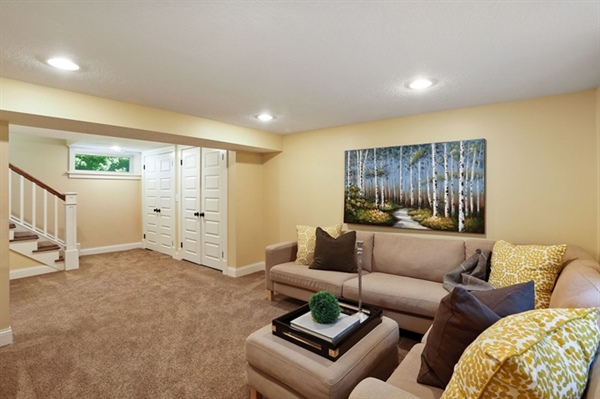
Waterproofing a basement before remodeling is the most important step in protecting your investment. Once walls are framed, drywall goes up, and flooring is installed, any unresolved moisture problem becomes harder and more expensive to fix. Water intrusion, dampness, and hidden humidity can damage finishes, create odors, and support mold growth. A dry, stable foundation is the starting point for any successful basement remodel, and contractors like Waterstone Construction rely on a methodical process to get that right.
The key questions homeowners ask usually fall into a few categories: what causes leaks, which waterproofing methods work best, how drainage and grading fit into the solution, and which materials stand up well in below-grade conditions. This guide walks through each of those topics in depth, so you understand what needs to happen before turning your basement into livable space.
What Causes Basement Water Leaks and Dampness?
Basements sit below ground, which means they are constantly in contact with moisture in the surrounding soil. When rain falls or snow melts, water can accumulate against foundation walls. Over time, this creates hydrostatic pressure, pushing water through tiny pores and cracks in concrete or block. Even a structurally sound foundation can allow moisture migration if it is not properly managed or protected. This is one of the most common sources of damp walls and floor seepage.
Surface water from downspouts, clogged gutters, or poor yard drainage can also drive water toward the house. If the soil around the foundation holds water or slopes inward, that moisture tends to settle along the basement walls. Small structural cracks, gaps around utility penetrations, and failed sealant at cold joints provide pathways for water entry. In older homes around Minneapolis, you often see a combination of aged waterproofing, shifting soil, and accumulated foundation stress contributing to leaks.
Even without visible leaks, high humidity and condensation can make a basement feel damp. Warm, moist indoor air that contacts cool foundation walls or floors can create condensation droplets, especially in summer. This feeds mold growth on organic materials like framing, paper-backed insulation, or stored items. A thorough pre-remodel inspection needs to distinguish between bulk water intrusion, vapor transmission, and condensation so the right combination of solutions can be designed.
How Do Interior and Exterior Waterproofing Methods Differ?
Interior and exterior waterproofing are often discussed together, but they serve different roles. Interior waterproofing focuses on managing water after it reaches the inside of the foundation. This includes crack injection, interior drainage channels at the footing, vapor barriers on the interior face of walls, and sump pump systems. In many existing homes, interior measures are used because they can be installed without excavating the outside of the house and can be integrated with a future remodeling plan.
Exterior waterproofing targets moisture before it reaches the interior surface. This approach usually involves excavating the soil around the foundation, cleaning and repairing the exterior face of the walls, applying waterproof membranes or coatings, and installing exterior footing drains. When done correctly, exterior systems reduce hydrostatic pressure and keep water from reaching the concrete in the first place. That makes them especially valuable in homes with chronic water problems or high groundwater levels.
Most basements benefit from a combination of both strategies. For example, an exterior membrane and drain tile system can reduce the bulk of water against the foundation, while an interior drain and sump pump provide a backup path if water still finds its way in. When you plan a basement remodel with a contractor experienced in basement remodeling, the waterproofing strategy is built around foundation type, soil conditions, and the level of finish you want in the new space.
What Drainage Systems Are Most Effective for Preventing Flooding?
Drainage is the backbone of any waterproofing plan. Without a way to safely move water away from the foundation, coatings and sealants can only do so much. The most common systems are interior drain tile, exterior drain tile, and surface drainage features that manage water higher in the yard. Each has a specific role and can be combined for maximum protection.
Interior drain tile involves installing a perforated pipe around the inside perimeter of the basement, typically at the footing level beneath the slab edge. This pipe is covered with washed rock and connected to a sump basin. When water enters at the wall-floor joint or through the slab, it drops into the drain tile and is carried to the sump pump, which then discharges it away from the house. For many remodels, this system provides a reliable safety net for unseen leaks and rising groundwater.
Exterior drain tile is placed at the outside base of the foundation, again surrounded by washed rock and covered with a filter fabric to prevent clogging. This system intercepts groundwater before it reaches the walls. Surface drainage solutions—such as French drains, swales, and properly placed catch basins—help manage runoff from lawns, driveways, and nearby hardscapes so it does not pool against the foundation. When designing a finished basement for long-term use, contractors look at both subsurface and surface drainage to reduce flood risk.
How Does Proper Grading and Sump Pump Installation Help?
Even the best wall coatings and drain tile systems struggle if grading around the home sends water in the wrong direction. Proper grading means the soil immediately surrounding the foundation slopes away from the house for several feet, encouraging rainwater and snowmelt to flow outward rather than toward the basement walls. Over time, soil settles, mulch builds up, and hardscapes shift, all of which can change how water moves. Correcting these issues is a key piece of any pre-remodel waterproofing plan.
Sump pumps function as the engine of many interior drainage systems. Water collected by interior drain tile or localized pits is directed to a sump basin, where a pump automatically activates when water reaches a set height. A well-designed system includes a properly sized pump, dedicated discharge line, and an outlet that moves water far enough away from the foundation that it does not cycle back. For finished basements, battery backup pumps and pump alarms offer added protection in case of power outages or mechanical failure.
Grading and sump systems work together. Good grading reduces the volume of water reaching the foundation in the first place, while an effective sump system manages whatever water still arrives at the footing. When a remodel adds finished rooms, bathrooms, or a home theater, the cost of damage from a failed or undersized drainage system rises dramatically, which is why these details are addressed before framing begins. A contractor like Waterstone Construction in Minneapolis integrates grading adjustments, sump design, and interior finish plans into a coordinated approach.
What Materials Resist Moisture and Mold Growth Best?
Once water management and drainage are in place, material selection becomes the next line of defense. Basements, even when well waterproofed, operate in a more humid environment than above-grade spaces. This makes material choice especially important for limiting mold growth and long-term damage. Non-organic or moisture-tolerant products are favored for walls, flooring, and trim wherever possible.
For framing, steel studs or pressure-treated bottom plates on concrete can help manage moisture at the slab level. Behind walls, closed-cell spray foam or rigid foam insulation performs better than fiberglass batts, which can trap moisture and support mold if the wall ever gets damp. On the finish side, moisture-resistant drywall (often labeled as greenboard or purple board) is a better choice than standard drywall for below-grade walls and ceilings.
Flooring is another critical decision. Carpet with traditional pad is highly susceptible to moisture problems, even when hidden. Many remodeled basements now use luxury vinyl plank (LVP), ceramic or porcelain tile, or engineered flooring rated for below-grade installation. Trim and baseboards made from PVC or composite materials hold up far better than raw wood in the event of spills or minor leaks. When all of these material choices are combined with a solid waterproofing and drainage plan, the finished basement becomes much more resilient.
Start Your Basement Project With a Solid Waterproofing Plan
A successful basement remodel starts long before the first wall is framed. Addressing moisture, drainage, and material choices up front is the best way to protect new finishes and create a space your family can use with confidence. Waterstone Construction approaches basements with this full picture in mind, combining structural understanding, moisture control, and interior design to deliver long-lasting results.
Based at 4321 Colfax Ave S. Minneapolis, MN 55409, Waterstone Construction works with homeowners who want unfinished or partially finished basements turned into comfortable, functional living areas. The team pays close attention to how grading, drainage, sump systems, and material selection affect long-term performance, not just how the basement looks on day one.
If you are planning a remodel and want to make sure your basement is properly prepared, you can contact us or request a free estimate. You can also call Waterstone Construction at 612-251-3975 to talk through your ideas and learn how a strong waterproofing plan fits into your overall basement remodeling project.